

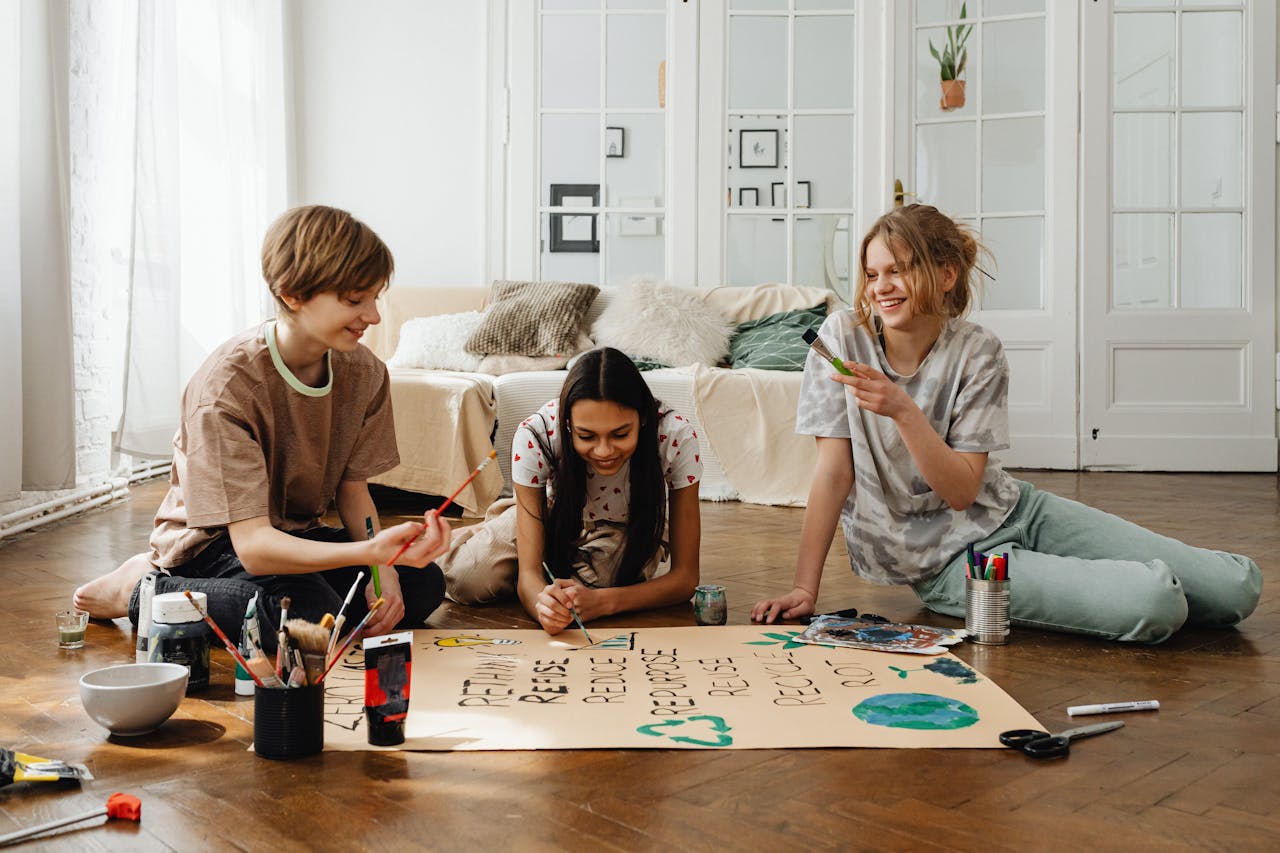
Creative Leisure Activities to Reduce Stress and Boost Mental Well-Being
Stress rarely disappears because you tell it to. It softens when your mind gets a healthier place to go. That is why creative leisure activities matter. They do more than fill spare time. They help you reset your attention, process emotion, and build a more stable sense of well-being through simple, repeatable habits.
Health organizations consistently describe mental well-being as part of everyday functioning, coping, and quality of life. Research and public health guidance also point to hobbies, movement, journaling, outdoor time, and enjoyable activities as helpful ways to manage stress and support emotional balance (WHO, 2025; CDC, 2024–2025; APA, 2025).
Direct answer: Creative leisure activities reduce stress by shifting attention away from pressure, improving emotional regulation, creating a sense of progress, and increasing enjoyment, calm, and social connection. When done regularly, activities like drawing, music, dance, gardening, crafting, and journaling can support better mental well-being and make daily stress feel more manageable.
Why Creative Activities Help With Stress
Stress narrows your focus. It pulls your mind toward deadlines, worries, conflict, and unfinished tasks. Creative leisure activities do the opposite. They widen attention, introduce play, and give your brain a different kind of problem to solve.
That shift matters. Public health guidance from the CDC recommends making time to unwind, enjoying hobbies, journaling, and spending time outdoors as healthy ways to cope with stress. WHO defines mental health as a state of well-being that helps people cope with life’s pressures and function effectively. Together, those ideas support a simple truth: enjoyable, meaningful activities are not a luxury. They are part of emotional maintenance.
What makes creative leisure activities effective?
- They interrupt rumination. Your mind stops circling the same stress loop.
- They create visible progress. A sketch, a song, a planted pot, or a knitted row gives your brain closure.
- They support emotional expression. You can process feelings without needing the perfect words.
- They improve perceived control. Even small acts of making something can restore agency.
- They increase positive emotion. Curiosity, enjoyment, and satisfaction buffer stress.
Why leisure is not wasted time
Many adults feel guilty for resting unless rest looks productive. That mindset often worsens stress. Leisure that includes creativity, movement, or social engagement can improve mood, reduce mental fatigue, and make it easier to return to work with better focus.
There is also a balance point. Psychological research highlighted by the American Psychological Association has suggested that too little discretionary time is linked to lower well-being, while too much unstructured time can also reduce satisfaction. The healthiest pattern is usually intentional leisure, not endless distraction.
Best Creative Leisure Activities for Mental Well-Being
Not every activity works for every person. The best one is the one you will actually repeat. Still, some leisure activities are especially useful because they combine enjoyment with stress relief, attention reset, and emotional regulation.
1. Journaling ✍️
Journaling is one of the easiest low-cost tools for stress reduction. The CDC specifically includes journaling among healthy coping strategies. You can use it to unload thoughts, track triggers, practice gratitude, or organize decisions.
- Best for: overthinking, emotional clutter, decision fatigue
- Time needed: 5 to 15 minutes
- Easy starting prompt: “What is taking up the most mental space today?”
2. Drawing, painting, or coloring 🎨
Visual art helps shift attention from verbal stress loops into sensory focus. Recent research reviews suggest that arts and crafts activities can have positive effects on stress, anxiety, depression, and mental well-being. You do not need technical skill for this to work. The benefit comes from engagement, not perfection.
- Best for: emotional release, mental quiet, creative recovery
- Time needed: 15 to 45 minutes
- Beginner idea: abstract color blocks, line art, or adult coloring pages
3. Music-making or singing 🎵
Music combines rhythm, breathing, attention, and emotion. Playing an instrument, singing, or even structured music practice can calm the nervous system while giving you a strong sense of progress.
- Best for: emotional expression, mood regulation, focus reset
- Time needed: 10 to 30 minutes
- Beginner idea: learn one short melody or sing along to a calming playlist
4. Dance or creative movement 💃
Movement is one of the most practical tools for stress regulation. The CDC notes that physical activity supports emotional balance and can reduce anxiety or depression. Dance adds music, play, and self-expression, which makes it easier for many people to sustain than formal exercise.
- Best for: restlessness, tension, low mood, energy release
- Time needed: 10 to 20 minutes
- Beginner idea: one song in your room with no rules
5. Gardening and plant care 🌱
Gardening offers a rare combination of movement, nature exposure, routine, and visible growth. It can be especially helpful for people who feel mentally overloaded because it pulls attention toward the physical world.
- Best for: burnout, screen fatigue, emotional exhaustion
- Time needed: 10 to 40 minutes
- Beginner idea: herbs on a windowsill or one balcony pot
6. Crafts like knitting, crochet, or DIY making 🧶
Craft-based activities are repetitive enough to be calming but engaging enough to prevent boredom. Emerging studies continue to find links between crafting and improved subjective well-being, along with reduced stress and loneliness.
- Best for: anxious energy, evening stress, attention fatigue
- Time needed: 15 to 60 minutes
- Beginner idea: simple crochet squares, friendship bracelets, or paper crafts
7. Creative cooking or baking 🍞
Cooking becomes therapeutic when you treat it as a sensory hobby instead of one more chore. Measuring, chopping, mixing, and plating can slow the mind and create immediate reward.
- Best for: grounding, sensory enjoyment, family connection
- Time needed: 20 to 60 minutes
- Beginner idea: homemade soup, bread, or a simple dessert
8. Photography or mindful photo walks 📷
Photography trains your mind to notice light, shape, color, and detail. That makes it useful for interrupting stress-driven autopilot. It also pairs well with outdoor time, which the CDC encourages as part of stress management.
- Best for: mental overload, attention reset, mindfulness
- Time needed: 15 to 30 minutes
- Beginner idea: photograph five textures or five colors in your neighborhood
9. Creative writing or storytelling 📚
Creative writing gives emotions form. That can make difficult experiences feel more manageable. It is especially useful for people who need a safe way to process thoughts without turning every page into a diary entry.
- Best for: emotional insight, identity reflection, imagination
- Time needed: 10 to 25 minutes
- Beginner idea: write a scene, a letter you never send, or a micro-story
10. Group hobbies and creative clubs 🤝
Social connection plays a major role in mental well-being. The CDC notes that social connectedness can improve the ability to manage stress, anxiety, and depression. Joining a choir, art class, book club, dance group, or craft circle adds community to the stress-reduction effect.
- Best for: loneliness, low motivation, accountability
- Time needed: weekly sessions or casual meetups
- Beginner idea: one local or online class with a beginner-friendly format
How to Choose the Right Activity for Your Personality
The most effective leisure activity is not the trendiest one. It is the one that matches your stress pattern, energy level, and daily routine.
Choose based on your current need
- If your mind is noisy: try journaling, coloring, knitting, or photography.
- If your body feels tense: choose dance, gardening, walking with photos, or light DIY projects.
- If you feel emotionally blocked: try music, painting, or creative writing.
- If you feel lonely: join a shared hobby, class, or local group activity.
- If you feel exhausted: pick low-pressure hobbies with simple entry points and short sessions.
Pick by energy level
- Low energy: coloring, journaling, slow crafting, reading poetry aloud
- Medium energy: baking, photography walks, sketching, casual music practice
- Higher energy: dance, gardening, group classes, hands-on DIY projects
Science-Backed Benefits at a Glance
Below is a simplified view of what research and public health sources commonly support about leisure, creativity, movement, and mental well-being.
| Benefit | How Creative Leisure Helps | Supported By |
|---|---|---|
| Stress relief | Shifts attention away from rumination and creates calm, structured engagement | CDC stress coping guidance; arts and crafts studies |
| Better mood | Increases enjoyment, positive emotion, and a sense of accomplishment | CDC emotional well-being guidance; arts research reviews |
| Reduced anxiety | Combines focus, repetition, rhythm, or movement that can regulate tension | CDC physical activity guidance; creative art studies |
| Improved social well-being | Shared hobbies strengthen connection and emotional support | CDC social connectedness guidance |
| Sense of control | Making, building, writing, or growing something creates visible progress | Behavioral health and leisure research patterns |
Data points worth noticing 📊
- The CDC continues to recommend hobbies, journaling, and outdoor time as practical ways to cope with stress.
- The CDC also notes that physical activity can improve emotional balance and help reduce anxiety or depression.
- WHO describes mental health as a state of well-being tied to coping, functioning, and community participation.
- APA’s 2025 Stress in America reporting found that stress remains widespread, with many people experiencing physical symptoms linked to stress.
- Recent peer-reviewed research suggests crafts-based and creative art activities can produce positive short-term effects on stress and well-being.
Comparison Table: Which Activity Fits Your Goal?
| Activity | Best For | Time Needed | Skill Level | Stress Relief Style |
|---|---|---|---|---|
| Journaling | Overthinking, emotional clutter | 5–15 min | Beginner | Mental release |
| Drawing/Painting | Emotional expression, calm focus | 15–45 min | Beginner to advanced | Visual absorption |
| Dance | Tension, restlessness, low mood | 10–20 min | Beginner | Physical release |
| Crafting | Anxious energy, screen fatigue | 15–60 min | Beginner to intermediate | Repetitive calming focus |
| Gardening | Burnout, mental overload | 10–40 min | Beginner | Nature grounding |
| Photography Walks | Attention reset, mindfulness | 15–30 min | Beginner | Sensory awareness |
| Music/Singing | Mood regulation, expression | 10–30 min | Beginner to advanced | Emotional processing |
How to Start Without Feeling Overwhelmed
Many people fail with hobbies for one reason: they try to turn a calming activity into a performance goal. Stress relief works better when the barrier to entry is low.
Use the 10-minute method
- Choose one activity that feels interesting, not ideal.
- Prepare the smallest possible version of it.
- Commit to 10 minutes only.
- Stop if you want, or keep going if it feels good.
- Repeat on the same days each week.
Make your environment help you
- Keep your notebook visible.
- Leave art supplies easy to reach.
- Store your walking shoes near the door.
- Create one tiny ritual before you begin, like tea, music, or a timer.
⭐ Expert Tips
- Pair stress relief with pleasure. The activity should feel rewarding, not like homework.
- Repeat before you optimize. Consistency matters more than getting better fast.
- Use “creative recovery” blocks. Schedule 15 to 30 minutes after demanding workdays.
- Combine categories when possible. For example, try dance outdoors or a social art class for layered benefits.
- Track how you feel after, not during. Some calming activities feel subtle at first but leave you lighter afterward.
🧠 Pro Insights
Creative leisure works best when it is identity-based, not just task-based. Saying “I journal every evening” or “I am someone who paints on Sundays” creates stronger follow-through than vague goals like “I should relax more.” This shift turns stress management from a rescue strategy into a lifestyle pattern.
It also helps to rotate activities by need. One hobby does not have to do everything. Journaling can help when your thoughts are crowded. Dance can help when your body is tense. Gardening can help when you feel disconnected from the physical world. A small personal toolkit is often more effective than one perfect hobby.
⚠️ Common Mistakes Section
- Choosing a hobby only because it looks impressive. Stress relief comes from fit, not image.
- Expecting instant transformation. Mental well-being improves through repetition.
- Making every session goal-driven. Not every hobby needs measurable output.
- Copying someone else’s routine. Your energy, schedule, and personality matter.
- Using only passive screen time as “rest.” It can feel easy, but it does not always restore attention or mood.
- Ignoring social options. Connection can multiply the mental health benefit.
✅ Practical Checklist
- Choose one creative leisure activity for this week.
- Make the first session no longer than 10 to 15 minutes.
- Prepare materials in advance.
- Schedule the activity on your calendar.
- Notice your mood before and after.
- Keep the activity enjoyable, not perfectionist.
- Add a social version later if you want more accountability.
FAQ
What is the best creative activity for stress relief?
The best activity is the one you enjoy enough to repeat. For many people, journaling, drawing, dance, crafting, and gardening work well because they combine focus, emotional release, and a sense of progress.
Can hobbies really improve mental well-being?
Yes. Public health sources and research both support the idea that enjoyable activities, movement, social connection, and creative engagement can help reduce stress and support better emotional well-being over time.
How often should I do creative leisure activities?
Two to five short sessions per week is a practical starting point. Even 10 to 20 minutes can help when done consistently.
Are solo activities better than group hobbies?
Neither is universally better. Solo activities help with reflection and quiet focus, while group hobbies add accountability and social connection. Many people benefit from a mix of both.
What if I am not a creative person?
You do not need artistic talent to benefit. The goal is not performance. The goal is regulation, enjoyment, and mental recovery. Simple activities often work best.
Disclaimer
This article was written manually, is fully original, complies with Google policies, respects copyright laws, and is provided for informational purposes only. It does not replace professional medical or mental health advice, diagnosis, or treatment.
Poetic Reflection
Sometimes healing begins not with silence, but with color on your hands, rhythm in your steps, and a small joyful thing made just for today.
