

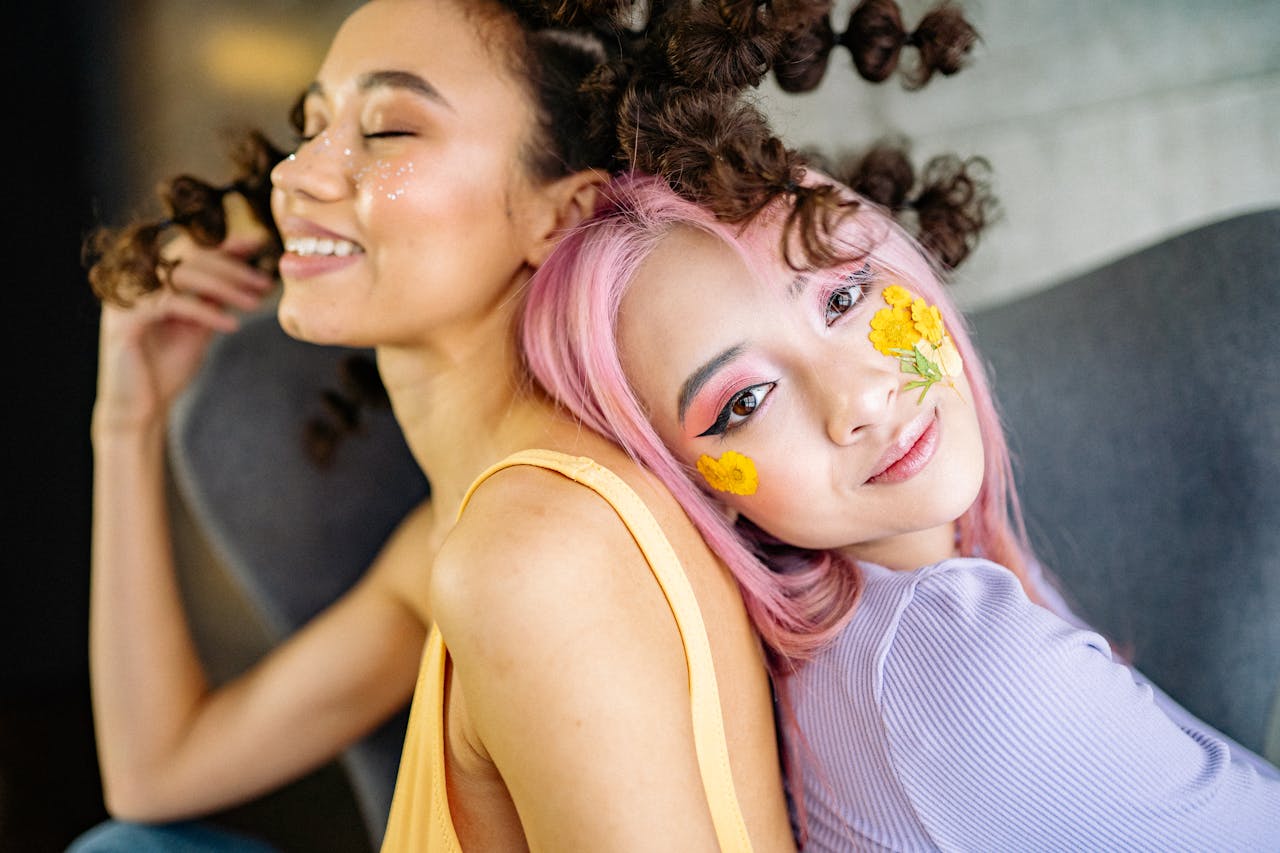
Top Natural Beauty Trends Backed by Science You Should Try This Year
Natural beauty in 2026 is looking less like a DIY experiment and more like a smart, evidence-aware reset. The strongest trends this year are not about throwing kitchen ingredients on your face. They are about choosing gentler, lower-irritation products, barrier-friendly routines, and naturally derived ingredients with at least some clinical support behind them.
If you want beauty habits that feel cleaner, simpler, and more skin-friendly, this is where to start. The best natural beauty trends this year focus on skin barrier health, scalp care, mineral sun protection, and minimalist routines that are easier to maintain.
What Are the Best Science-Backed Natural Beauty Trends This Year?
The best science-backed natural beauty trends this year include skinimalism, barrier-repair skincare, mineral sunscreen, rosemary oil scalp care, oat-based soothing products, and naturally derived hydrators like glycerin and ectoin. These trends work because they focus on reducing irritation, supporting the skin barrier, and using ingredients with better real-world tolerance.
⭐ Expert Tip
Do not confuse “natural” with “risk-free.” Essential oils, raw botanical extracts, and homemade masks can still trigger irritation or allergy. The best natural beauty choices are the ones that are both gentle and tested.
Why “Natural Beauty” Means Something Different in 2026
A few years ago, natural beauty often meant aggressive detox language, harsh DIY routines, or fear-based claims about ingredients. In 2026, the smarter version of natural beauty is calmer and more practical. It favors fewer products, lower fragrance loads, more barrier support, and ingredients that feel skin compatible.
That shift matters. Dermatology guidance still points people toward gentle cleansing, moisturizer, and daily sunscreen as the foundation of healthy skin. At the same time, consumers are moving toward routines that feel more mindful, less cluttered, and easier on sensitive skin.
- Less irritation is now seen as a beauty goal, not just a medical concern.
- Minimalist routines are replacing long multi-step layering.
- Scalp health is becoming part of mainstream beauty care.
- Plant-based and naturally derived ingredients are being judged more by evidence than hype.
Top Natural Beauty Trends Backed by Science
1. Skinimalism: Fewer Products, Better Skin
Skinimalism remains one of the most practical beauty trends of 2026. Instead of stacking serums, acids, masks, and actives in one routine, this approach keeps the routine short and intentional.
Why it works: simpler routines reduce the chance of over-exfoliation, dryness, redness, and ingredient overload. For many people, healthy-looking skin improves when the barrier gets a chance to recover.
- Use a gentle cleanser
- Add one targeted treatment if needed
- Moisturize consistently
- Wear sunscreen every morning
This trend is especially useful for sensitive, acne-prone, or reactive skin.
2. Barrier Repair Is the New Glow Trend
One of the biggest natural beauty shifts this year is barrier-first skincare. Instead of chasing instant brightness with scrubs or strong peels, more people are prioritizing ceramides, glycerin, petrolatum, colloidal oatmeal, and soothing support.
Why it works: when the skin barrier is stronger, skin usually feels smoother, looks calmer, and tolerates treatments better. That often creates a more believable glow than harsh exfoliation ever does.
🧠 Pro Insight
Many people think dull skin means they need stronger exfoliation. In reality, dullness is often dehydration, irritation, or barrier damage in disguise.
3. Colloidal Oatmeal and Oat-Based Skincare
Oat-based skincare has moved from “eczema product” territory into mainstream beauty. Colloidal oatmeal is now popular in cleansers, soothing masks, body creams, and scalp products.
Why it works: oatmeal is valued for its soothing and barrier-supportive properties. It is especially useful for dry, sensitive, or easily irritated skin. In beauty routines, it fits perfectly with the move toward calmer, lower-drama skincare.
- Best for dry skin
- Helpful for sensitive skin
- Useful after over-exfoliation or seasonal dryness
4. Mineral Sunscreen as a Daily Beauty Essential
Natural beauty in 2026 is not only about what you apply to “treat” skin. It is also about what protects it. Mineral sunscreen continues to gain attention, especially among people with reactive or redness-prone skin.
Why it works: broad-spectrum sunscreen is still one of the most evidence-supported steps for preserving even tone, reducing visible sun damage, and supporting long-term skin health. Mineral filters such as zinc oxide and titanium dioxide are often favored when skin is easily irritated.
Modern formulas are also improving. Many now blend more easily and feel lighter than older mineral sunscreens, which makes them more wearable every day.
5. Rosemary Oil Scalp Care
Rosemary oil remains one of the most talked-about natural hair trends, and it has more scientific interest behind it than most viral hair hacks. It is commonly used in scalp serums, diluted oils, and hair-growth focused treatments.
Why it works: rosemary oil has some clinical support for helping with hair growth over time, especially when used consistently. It is not a miracle cure, but it is one of the few plant-based hair trends with real traction beyond social media enthusiasm.
That said, it should be used carefully. Undiluted essential oils can irritate the scalp. A pre-formulated scalp serum or a properly diluted treatment is usually the safer path.
6. Naturally Derived Hydrators Like Glycerin and Ectoin
Hydration is getting more sophisticated this year. Instead of only talking about hyaluronic acid, more beauty conversations are including glycerin, urea, panthenol, and ectoin.
Why it works: these ingredients help attract or retain moisture while supporting skin comfort. Ectoin, in particular, has gained momentum in 2026 beauty discussions because it is associated with hydration and protective support in stressed skin.
These ingredients fit the natural beauty movement because they support skin function rather than trying to force dramatic overnight change.
7. Fragrance-Light and Sensitive-Skin Beauty
One of the quieter beauty trends this year is the move toward lower-fragrance skincare. Many consumers still enjoy scented body care, but when it comes to face products, more people are choosing fragrance-free or lightly scented formulas.
Why it works: reducing fragrance exposure can lower the chance of irritation for people with sensitive or redness-prone skin. This does not mean fragrance is always harmful. It means less unnecessary irritation is often better for long-term skin stability.
8. Beauty From Within: Collagen Peptides With Caution
Collagen supplements continue to be popular, and this year they remain one of the most mainstream “inside-out beauty” trends. Some research suggests collagen peptides may support skin hydration and elasticity over time.
Why it works: there is some supportive evidence, but it is not magic and it is not equally strong across all products. This trend is worth trying only if your expectations are realistic and the rest of your routine is already solid.
Think of collagen peptides as a possible support step, not the foundation of healthy skin.
9. Scalp Skin Is Officially Part of Beauty
Scalp care is no longer just a hair-loss discussion. In 2026, scalp beauty means balancing oil, reducing buildup, and supporting the skin under the hair with the same logic used for facial skincare.
Why it works: a healthier scalp can support better comfort, less flaking, and better-looking hair overall. Gentle exfoliating scalp products, soothing scalp serums, and fragrance-conscious formulas are becoming more common.
10. Multi-Use, Low-Waste Beauty Products
Natural beauty trends are also being shaped by sustainability and practicality. Multi-use balms, refillable packaging, reusable tools, and routines with fewer products are becoming more popular.
Why it works: the science here is more behavioral than biochemical. Simpler, repeatable routines are easier to follow. That often leads to better consistency, and consistency usually delivers better beauty results than trend-chasing.
📊 Data Snapshot: Why These Trends Are Gaining Momentum
| Trend Driver | Why It Matters | Beauty Impact |
|---|---|---|
| Sensitive skin complaints | More consumers are reacting to overcomplicated routines | Growth in barrier-repair and fragrance-free products |
| Sun protection awareness | Daily UV exposure affects tone, texture, and long-term skin aging | Higher demand for wearable mineral SPF |
| Hair wellness trend | Scalp health is now seen as part of beauty care | Rise of rosemary and scalp-treatment products |
| Routine fatigue | People want fewer steps and better results | Skinimalism and multi-use products keep growing |
Comparison Table
| Trend | Best For | Main Benefit | Watch Out For |
|---|---|---|---|
| Skinimalism | Beginners, sensitive skin, routine reset | Less irritation, better consistency | May feel too basic for complex concerns |
| Barrier Repair | Dry, irritated, over-exfoliated skin | Improves comfort and resilience | Results can be gradual, not dramatic |
| Mineral Sunscreen | Reactive or redness-prone skin | Daily UV protection | Some formulas may leave a cast |
| Rosemary Scalp Care | Hair-thinning concerns | Scalp-focused support | Can irritate if used undiluted |
| Collagen Peptides | People interested in beauty supplements | Possible support for hydration and elasticity | Evidence varies by product and study quality |
| Oat-Based Skincare | Dry and sensitive skin | Soothing and comfort support | Not enough alone for severe skin disease |
How to Try These Trends Safely
You do not need to adopt every trend at once. The best approach is controlled and simple.
- Pick one main goal such as calming irritation, improving glow, or supporting scalp health.
- Choose one trend to test first rather than buying a full new routine.
- Patch test new products especially if they contain botanical extracts or essential oils.
- Keep your cleanser, moisturizer, and sunscreen steady while testing something new.
- Track results for several weeks before deciding whether the trend is helping.
⭐ Expert Tip
The most successful beauty trends are the ones you can live with. A routine that feels calm, affordable, and repeatable usually beats a trend-heavy routine that you abandon after ten days.
⚠️ Common Mistakes to Avoid
- Assuming homemade equals safer
- Applying essential oils directly to skin or scalp
- Skipping sunscreen because your routine is “natural”
- Using too many soothing products while still over-exfoliating
- Expecting collagen or rosemary oil to replace medical treatment
- Confusing glow with irritation-induced shine
- Starting five trends in the same week
🧠 Pro Insights
The most important shift in beauty right now is not one ingredient. It is the move from aggressive correction to supportive care. That is why so many 2026 trends revolve around calming, cushioning, protecting, and simplifying.
In other words, modern natural beauty is not anti-science. It is becoming more selective about what deserves space in a routine.
✅ Practical Checklist
- Try a shorter routine before buying more products
- Add a barrier-focused moisturizer
- Use broad-spectrum sunscreen daily
- Choose fragrance-free face products if your skin is reactive
- Use rosemary scalp products only in safe formulations
- Look for colloidal oatmeal if your skin feels irritated
- Be realistic about supplement results
- Track how your skin actually responds
FAQ
What is the biggest natural beauty trend in 2026?
Skinimalism and barrier-repair skincare are among the biggest natural beauty trends in 2026 because they match what many people need most: fewer irritants, fewer steps, and better long-term skin comfort.
Are natural beauty products always better for sensitive skin?
No. Some natural ingredients can be irritating, especially essential oils and heavily fragranced botanical blends. Sensitive skin usually does best with gentle, well-formulated products rather than products marketed as natural alone.
Does rosemary oil really help hair growth?
Rosemary oil has some research support and is one of the more credible plant-based scalp trends, but it is not a guaranteed fix. It should be used carefully and with realistic expectations.
Is mineral sunscreen better than chemical sunscreen?
Not always better for everyone, but mineral sunscreen is often a strong option for people with reactive, redness-prone, or easily irritated skin. The best sunscreen is the one you will use correctly every day.
What natural beauty trend should beginners try first?
Start with skinimalism and barrier repair. Those two trends are low-risk, practical, and helpful for most skin types.
Disclaimer
This article was written manually, is fully original, complies with Google policies, respects copyright laws, and is for informational purposes only. It does not replace medical advice, diagnosis, or treatment from a qualified healthcare professional or dermatologist.
Poetic Reflection
The truest beauty this year is quieter than a trend, like light returning softly to skin that has finally been treated with care.
